Site Clearing and Plot Clearing in Cape Town: Structures, Foundations and Obstructions
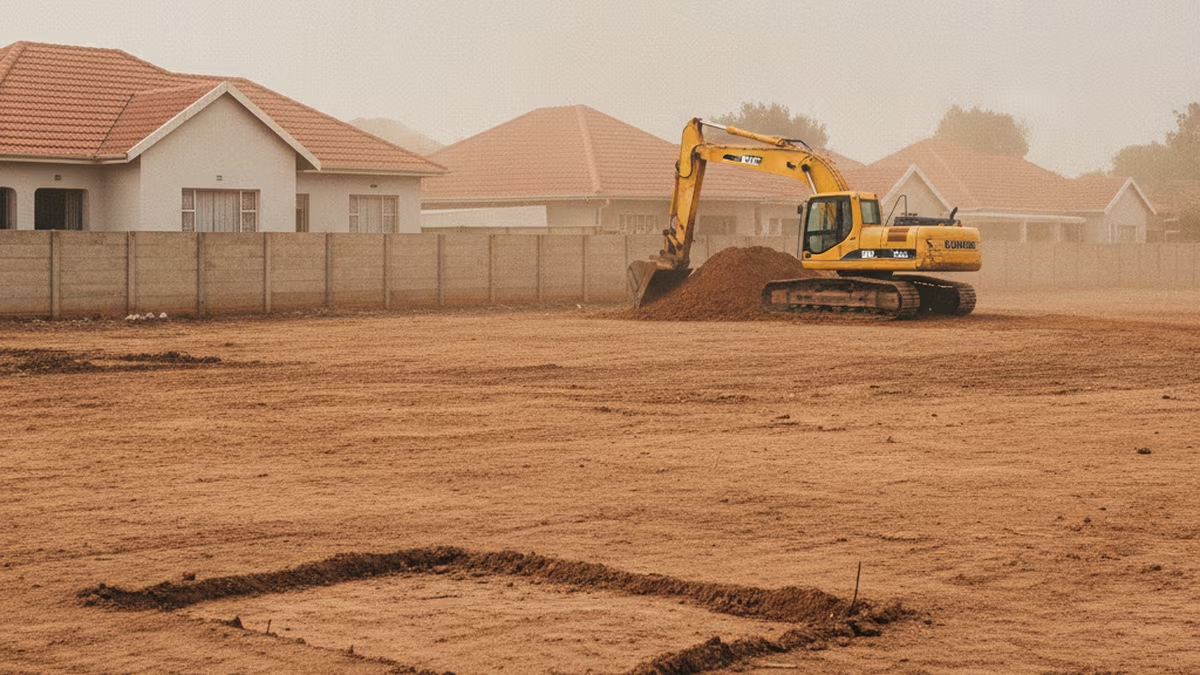
Site clearing removes everything standing and everything buried that would obstruct a new build. That means structures, foundations, slabs, paving, boundary walls, rubble dumps and abandoned services. A plot is not clear because the buildings are gone. It is clear when a machine can excavate anywhere on it without hitting something.
Free site visit and written quote anywhere in greater Cape Town.
What comes off a plot
- Existing structures, outbuildings and lean-tos
- Slabs, foundations and footings — see concrete demolition
- Driveways, paving and hardstand
- Boundary and internal walls — see wall removal
- Swimming pools — see pool demolition
- Dumped rubble and accumulated builders waste
- Abandoned septic tanks, soakaways and French drains
- Redundant service runs, cable ducts and old water mains
Buried obstructions
The obstructions that cost money are the ones nobody knew about. Old septic tanks, filled wells, buried foundations from a previous structure and abandoned soakaways all sit below ground on older Cape Town plots and appear when excavation starts. Two things reduce that exposure: a walk-over of the site with the owner to record what was previously there, and a check of the municipal service records before the machine arrives. Anything unrecorded and discovered mid-clearance is priced as a variation rather than absorbed, and the site visit says so plainly.
Vegetation is a different trade
Site clearing here means structures, rubble and buried obstructions. Trees, stumps and dense vegetation are handled by a tree-felling contractor, and Cape Town has specialists for exactly that. A plot needing both gets the vegetation cleared first, because standing trees restrict machine access to the structures. Cape Demolition Co works alongside a tree contractor on those sites rather than felling.
Level and reinstatement
A cleared plot is left graded and free-draining rather than pitted where foundations came out. Excavations left from footing removal are backfilled with clean material and compacted in layers, because a soft spot over an old foundation void shows up later as settlement under a new slab. Where the new build has a set platform level, the plot is cut or filled to it as part of the clearance.
Sandy soils on the Cape Flats
Much of the Cape Flats sits on deep wind-blown sand. Sand does not hold an excavation face, so trenches and footing excavations batter back or collapse, and that changes both the working area needed and the volume of material moved. Sandy ground compacts well once graded, and it drains fast, which makes reinstatement straightforward once the excavation work is done.
Frequently asked questions
What is included in site clearing?
Site clearing removes existing structures, slabs, foundations, footings, paving, boundary walls, dumped rubble and abandoned services, leaving ground a machine can excavate anywhere without obstruction. Vegetation and tree felling are a separate trade handled by a tree contractor working alongside.
Do you remove foundations during site clearing?
Yes. Foundations and footings are excavated and broken out, and the voids are backfilled with clean material and compacted in layers. Foundations left in the ground obstruct new footings and services, and a soft spot over an unfilled void shows up later as settlement under a new slab.
What happens if something buried is found?
Old septic tanks, filled wells, buried foundations and abandoned soakaways appear regularly on older Cape Town plots. A walk-over with the owner and a check of municipal service records before work starts reduces the exposure. Anything unrecorded and found mid-clearance is priced as a variation rather than absorbed silently.
Do you fell trees as part of site clearing?
No. Tree felling and vegetation clearing are a separate trade with its own specialists in Cape Town, and Cape Demolition Co works alongside a tree contractor rather than felling. A plot needing both has vegetation cleared first, because standing trees restrict machine access to the structures.
Is the plot left level?
Yes. The plot is left graded and free-draining rather than pitted where foundations came out, with excavations backfilled and compacted in layers. Where the new build has a set platform level, the ground is cut or filled to that level as part of the clearance.